
JELADO Manufacturing ~Leather Products~ Vol. 1: Shinki Hikaku, a World-Renowned Horsehide Tannery
JELADO Manufacturing ~Leather Products~ Vol.1 Shinki Hikaku, a World-Renowned Horsehide Tannery ~The Quality Everyone Knows and the Story Behind It~
Among American casual wear, horse leather is often spoken of with a certain romance. This time, we had the opportunity to interview Shinki Hikaku, one of the world's leading horsehide tanneries, which produces the horse leather used in JELADO's leather jackets. We will share our findings here.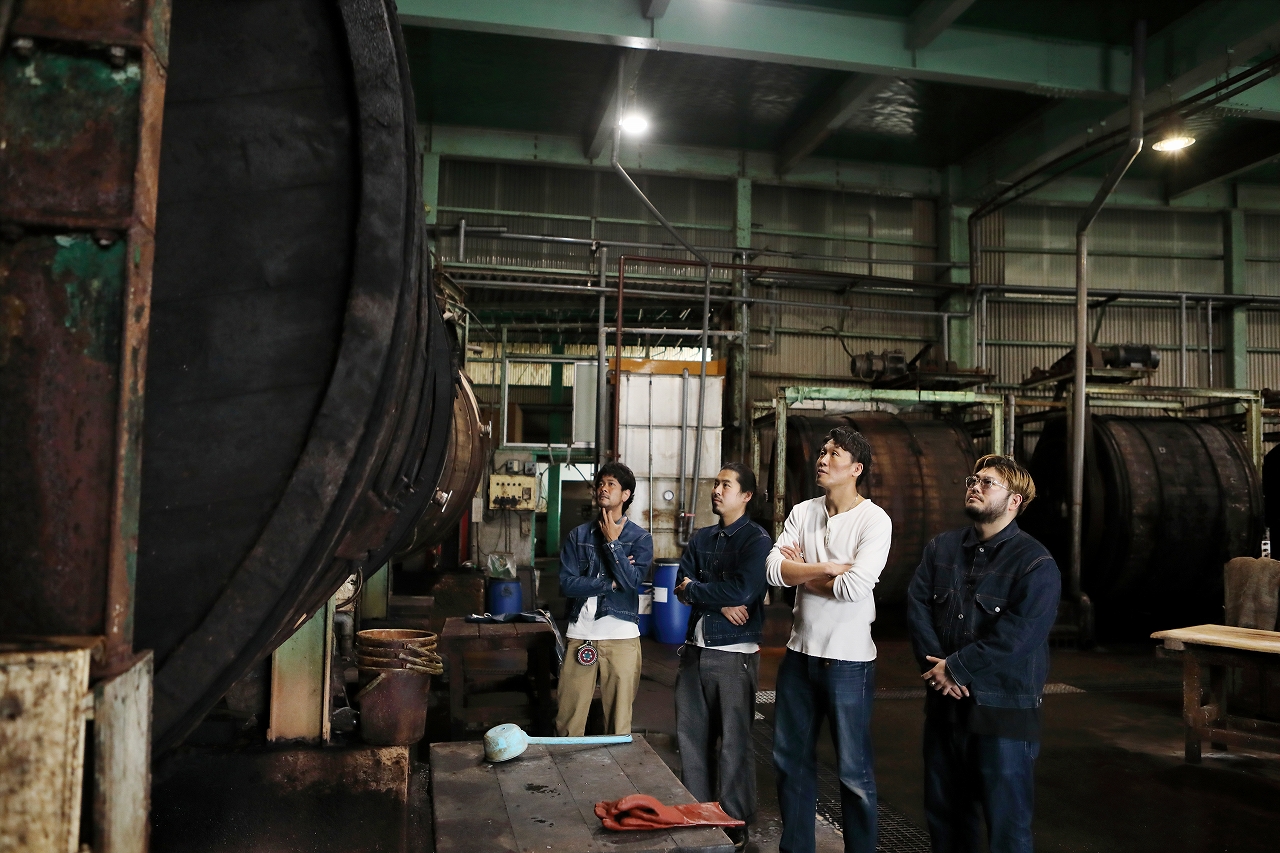

About Shinki Hikaku
"Shinki Hikaku." If you're a fan of American casual wear, you've probably heard this name before. They supply cordovan and horsehide leather to famous brands both domestically and internationally. What makes them so great? The answer lies in their history.
Originally, the Takagi district of Himeji City, where the company is located, has been a thriving leather industry center for about 1,500 years. In the 20th century, it became famous as a production area for thinly processed horse leather used as shoe lining.

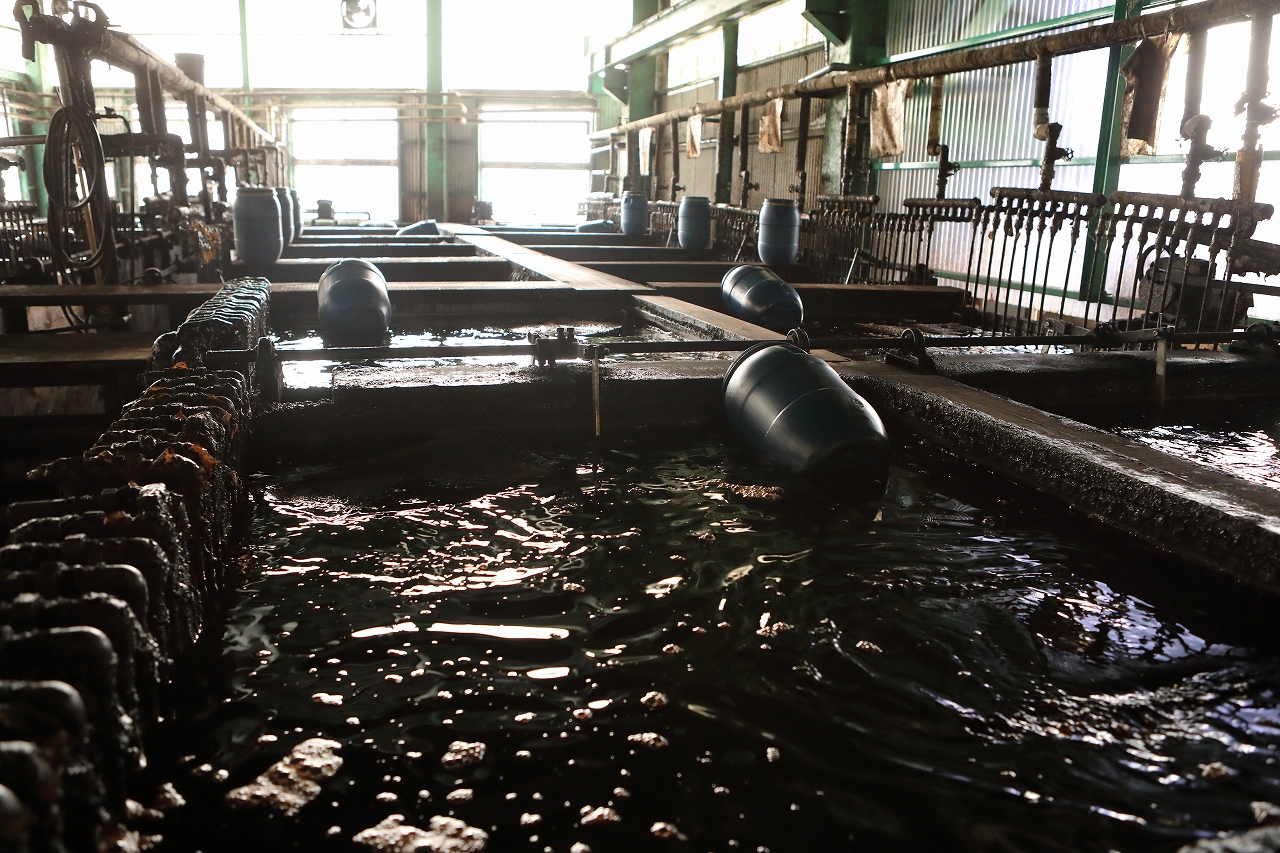
With this background, Shinki Hikaku was founded in 1951 as "Nitta Shoten - Horse Leather Manufacturing." From the beginning, they have adhered to a management philosophy focused on "quality," and their commitment to technological innovation and equipment expansion to maintain and improve quality has continued unchanged into the 21st century.
A clear example of this is their full-scale production of cordovan, which was rare in Japan as early as the 1970s (currently, they are the only company in Japan that handles integrated production of cordovan, from raw hide to finishing). And even today, they continue to vegetable-tanned horse leather in "pit tanks."
This time, we will delve into the value and reality of the latter, specifically their unique method of vegetable-tanning horse leather in "pit tanks," which is the only one in Japan.
What is tanning?
Tanning refers to the process of transforming "hide" into "leather." By soaking hide in a liquid containing tannins extracted from plant bark, it gains properties such as rot resistance and heat resistance. However, the quality of the "leather" is determined by its manufacturing process.
While there are various tanning methods, Shinki Hikaku employs two types: vegetable tanning and chrome tanning.
Here, let's clarify the differences between vegetable tanning and chrome tanning, which are considered contrasting methods.
First, regarding vegetable tanning.
Vegetable tanning is also known as "vegetable tannin tanning" or "shibu tanning," and as the name suggests, it means being tanned with a tanning agent that uses tannins (shibu) extracted from plants.
(※Details on tanning methods will be discussed later)
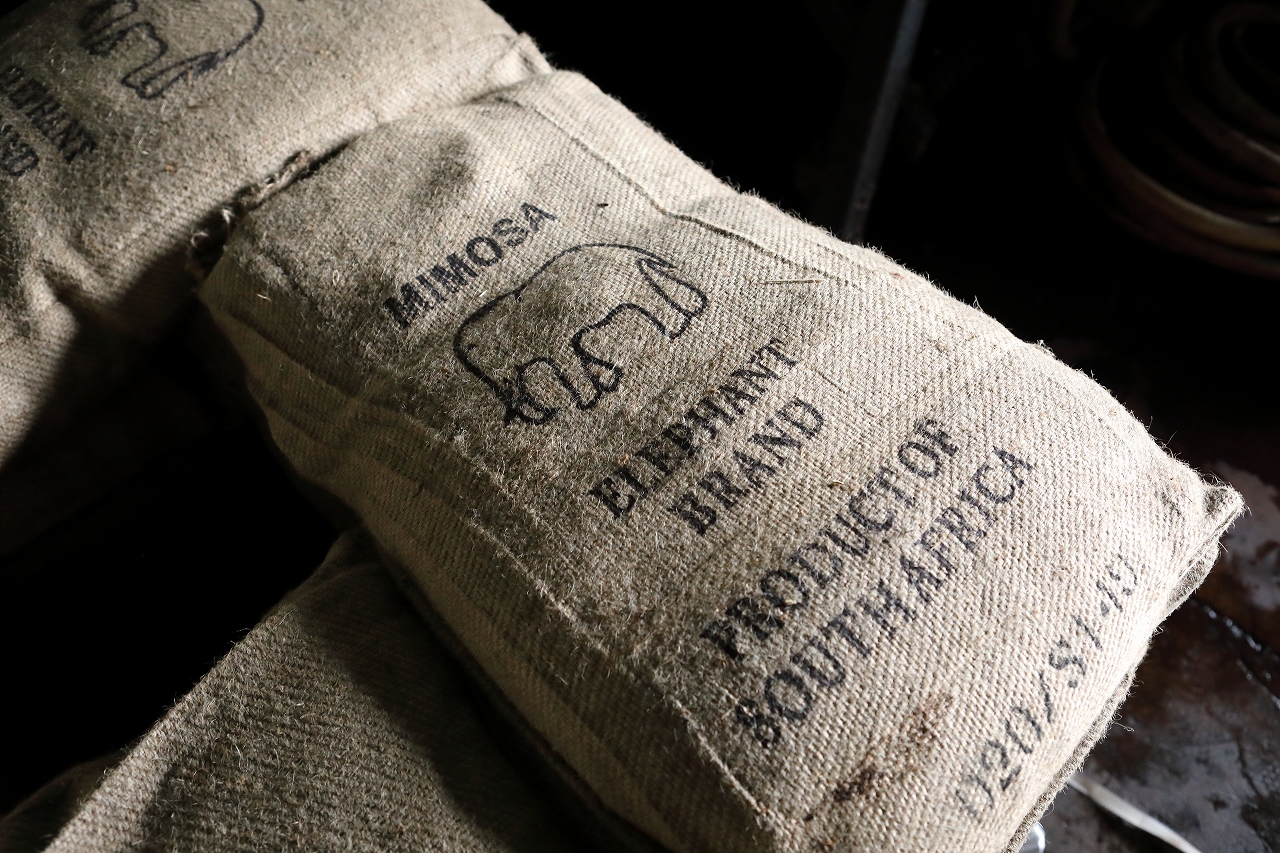
Incidentally, Shinki Hikaku uses solid resin extracted from mimosa (acacia tree bark) from South Africa, which is said to have high tannin purity.

The biggest advantages of leather produced with vegetable tanning, as those of you who love American casual know, are that you can enjoy its aging and that it is hard and highly rigid. On the other hand, its disadvantages are that it is vulnerable to water and, depending on the manufacturing method, it can be labor-intensive, time-consuming, and costly.
Next, regarding chrome tanning.
From a global perspective, it is no exaggeration to say that this is the most widespread tanning method. There are two main reasons for this.
The first is the short manufacturing time. Chrome tanning uses basic trivalent chromium as a tanning agent, which penetrates the hide very quickly, allowing for rapid tanning in drums (though vegetable tanning can also be done in drums; details below). This offers the advantage of completing the leather in significantly less time than vegetable tanning.
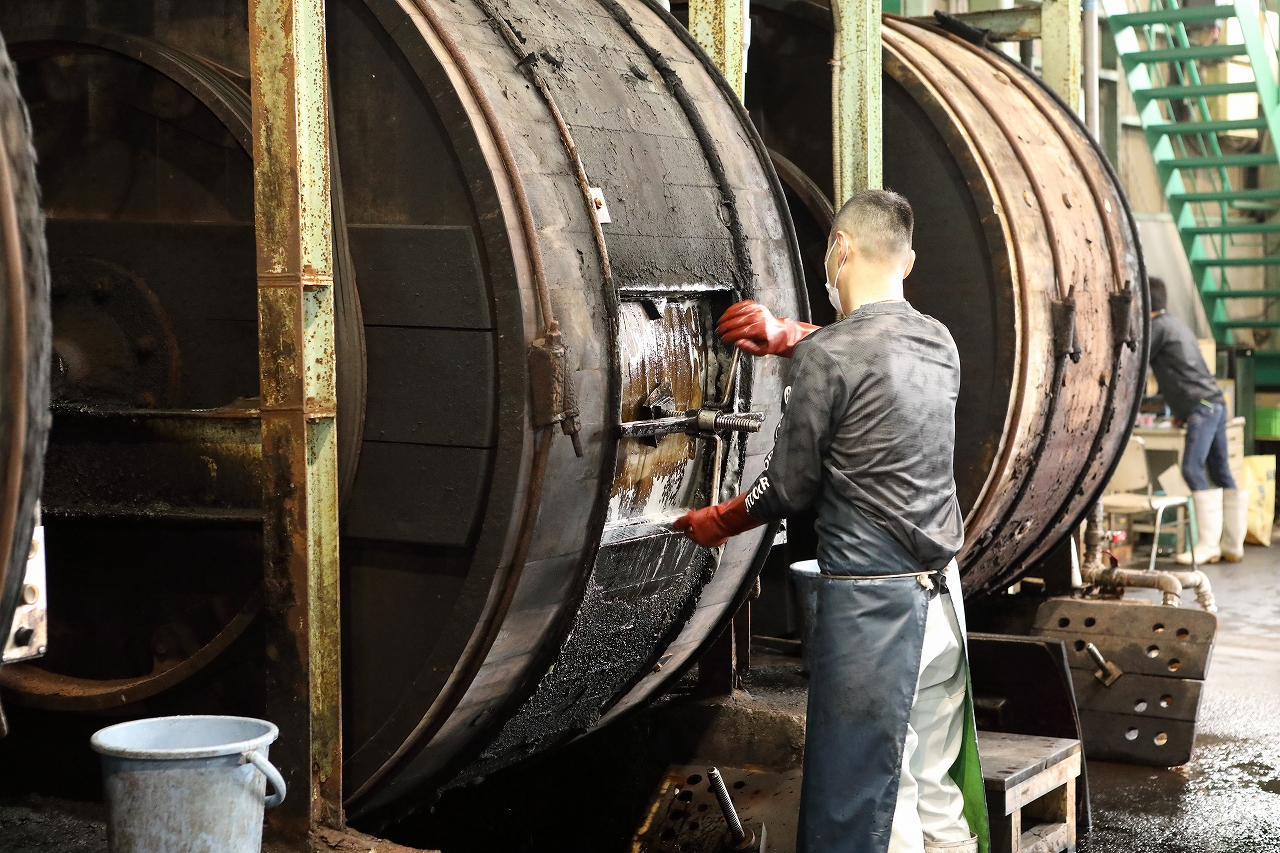

Another advantage is its excellent scratch resistance and flexibility. While "aging" is considered positive in the American casual industry, it isn't necessarily good in the mass market. Chrome-tanned leather offers excellent dyeability, requires less frequent care, is soft and easy to process, and boasts high tear strength, making it appealing.
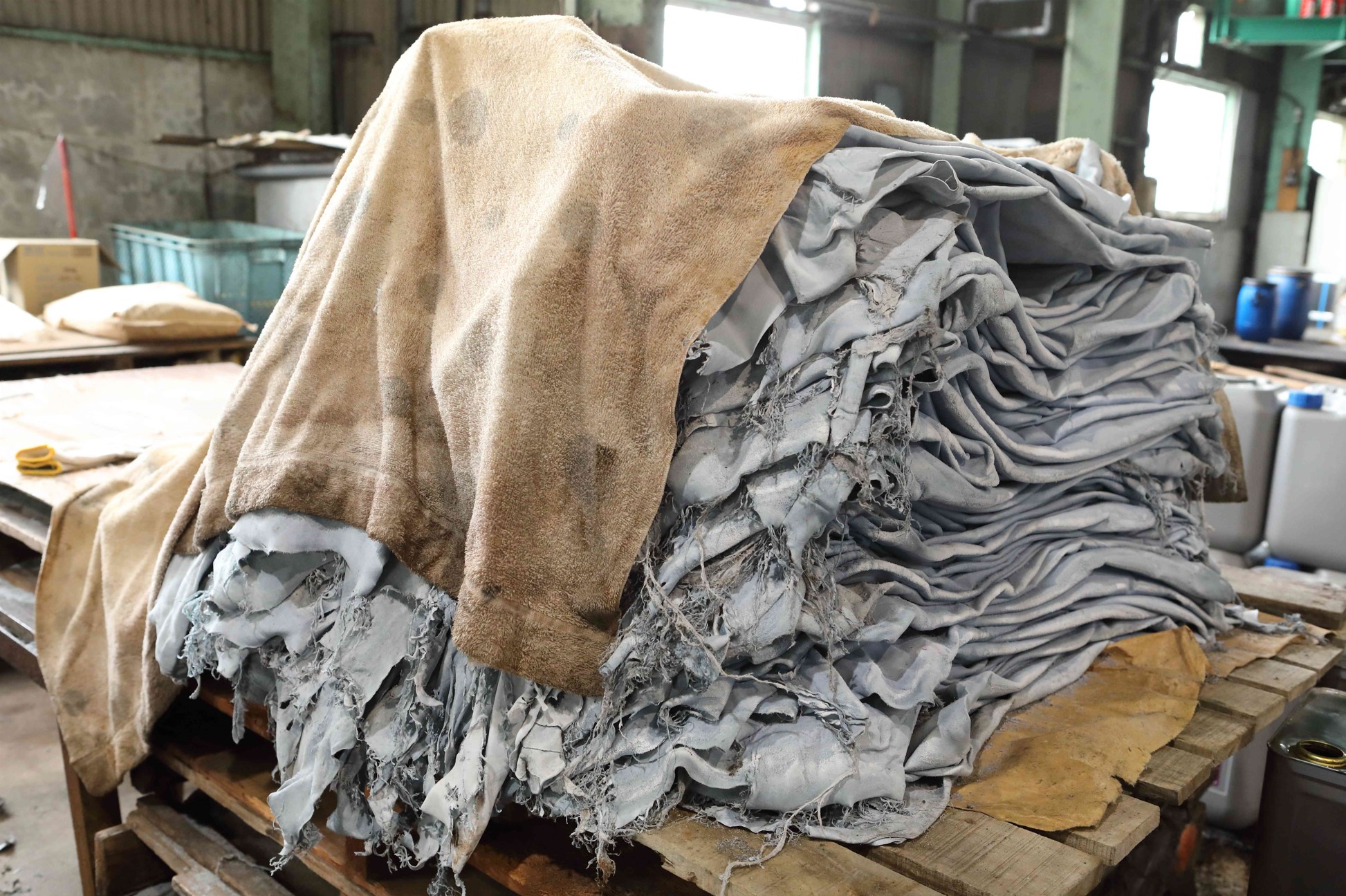
The following photo shows leather after chrome tanning, shaving, and before dyeing. You can see that it has a bluish tint, unlike vegetable-tanned leather which has a characteristic brown color. This is precisely the underlying color that emerges when a chrome-tanned leather jacket is worn for many years.

The Significance of Pit Tanning
Now, let's return to vegetable tanning. There are two specific methods for vegetable tanning: soaking the hide in a pit tank to allow the tanning agent to penetrate, and placing it in a wooden drum for penetration. Shinki Hikaku primarily uses the former.
The reason is singular: it brings out the best in the leather's character.
(※In the case of cordovan, tannins cannot easily penetrate the dense fibers in a drum, so it can practically only be tanned in a pit tank.)
So, why is the pit tanning method rare not only in Japan but also globally?
The answer to that is also very simple.
In short, this method, which involves soaking the hides sequentially from tanks with low tannin concentration to tanks with high concentration, simply takes too long to produce. Furthermore, mass production requires a significant capital investment in equipment, and mastering that equipment demands a deep understanding of leather and highly skilled techniques.

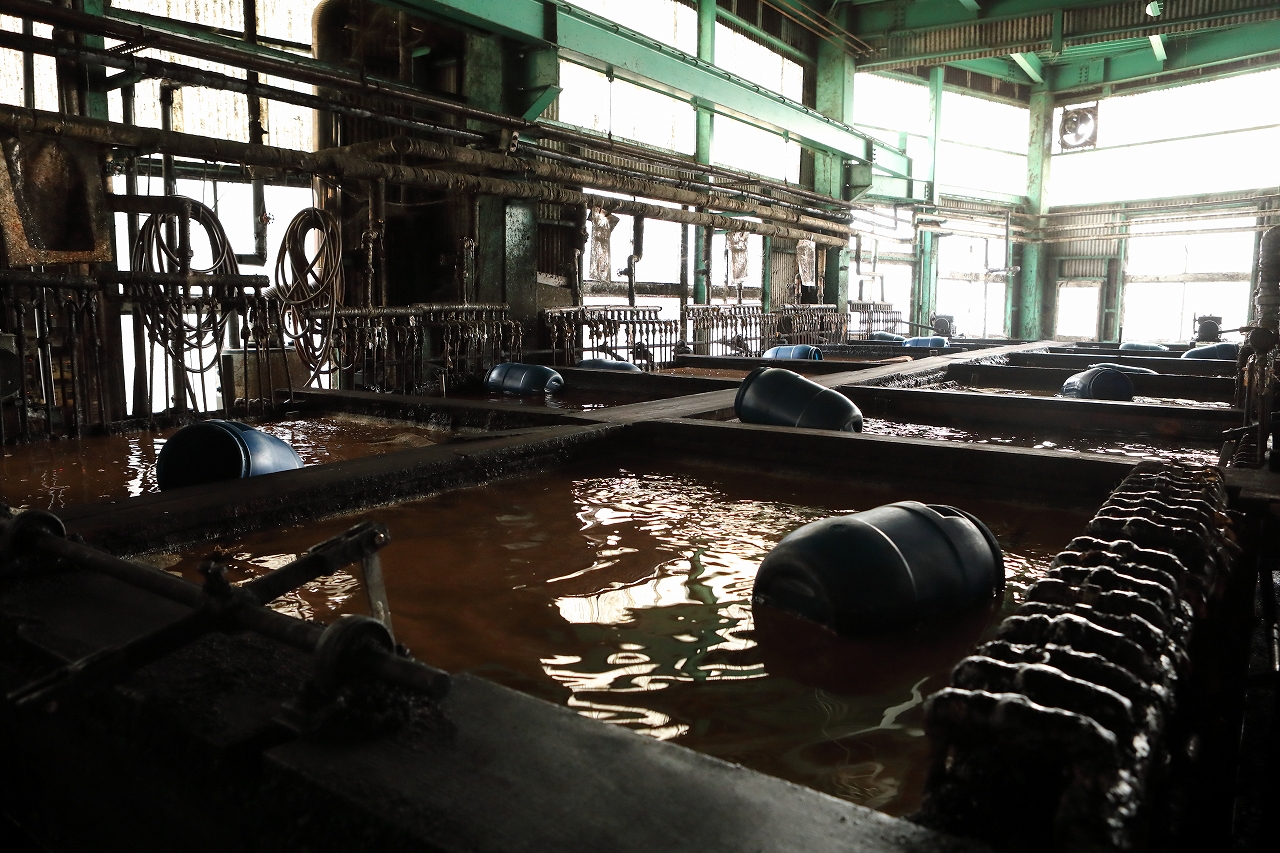
It is said that it takes about one month for the tannin to penetrate to the inside of the leather in a pit tank for cordovan, and about two weeks for the body part. As a result, a firm and beautiful leather that cannot be obtained with a drum is completed. On the other hand, when tanning the body part with a drum, the work is completed in about two days. Considering this fact, it is somewhat understandable why many tanneries around the world choose the latter.
From Hide to Leather
From here, we will briefly explain the approximately 10-month process of creating leather.
■STEP.1 "Preparation"
Here is the salted raw hide imported from Europe.
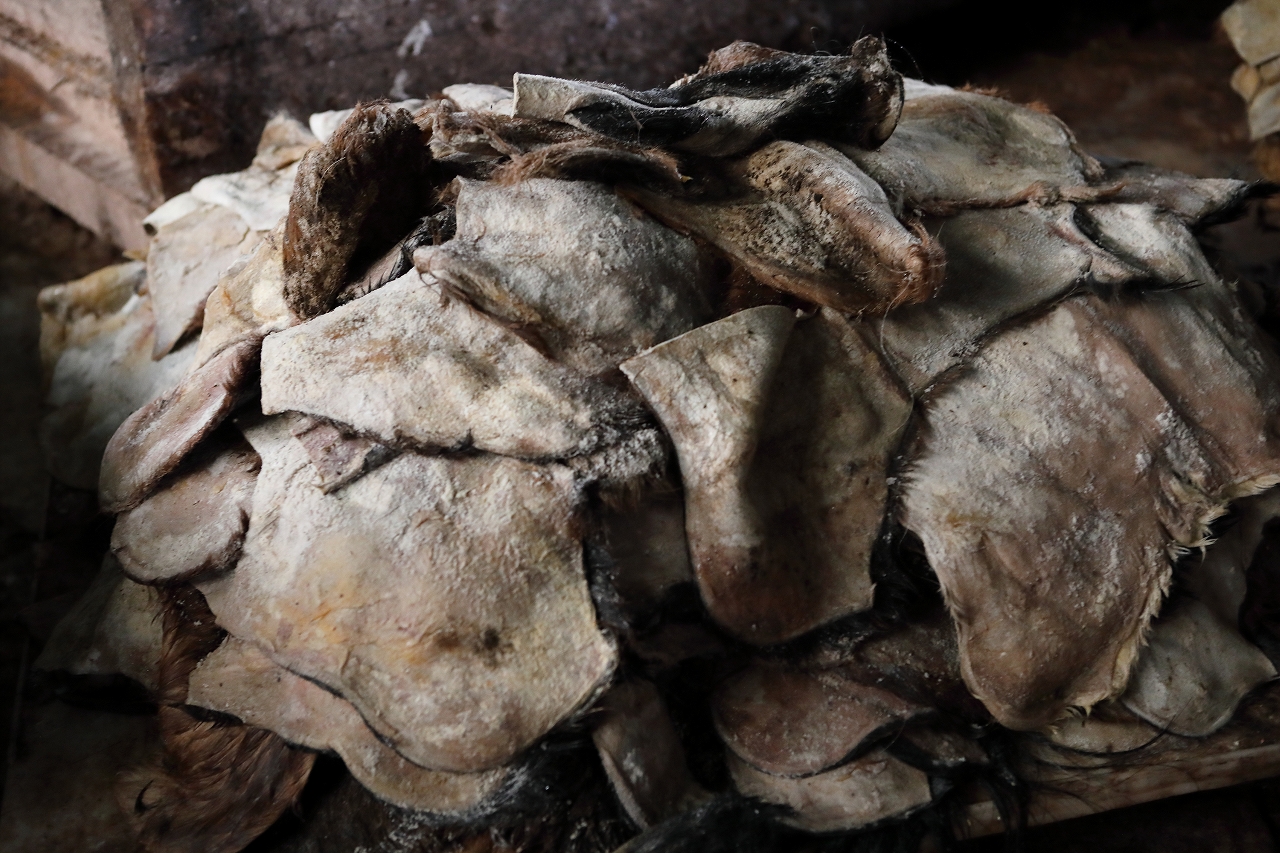

First, the raw horsehide is divided into the body (which will later become horsehide) and the butt (which will later become cordovan). After being washed in a drum, the hair is dissolved by the interaction of alkali and lime, and at the same time, the fibers are loosened and excess material is removed.
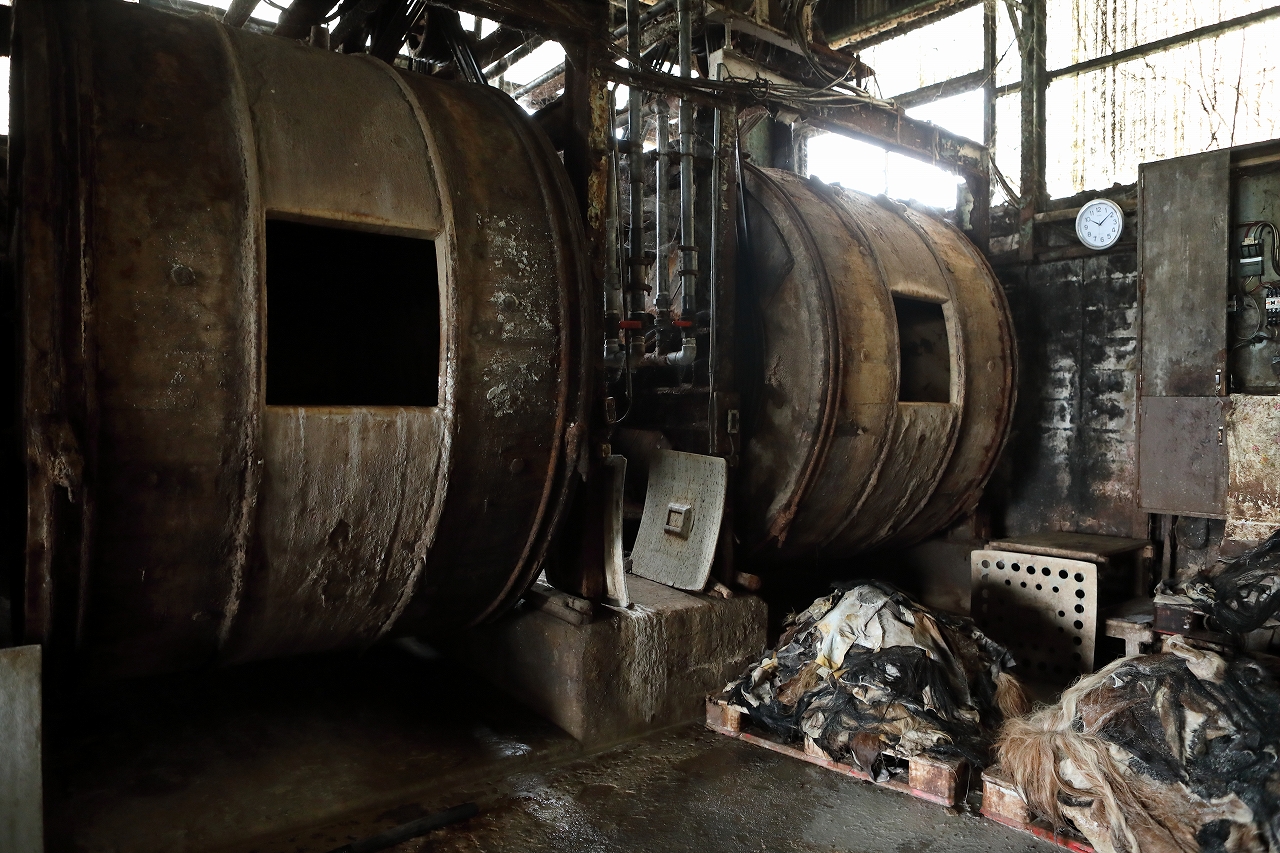

The hides removed from the drum are further processed by a fleshing machine to remove any remaining flesh.
※In the case of cowhide, the hide is split (splitting) after this to produce split leather. However, in the case of horsehide, the hide is thinner than cowhide, so although it is split, no split leather is produced.
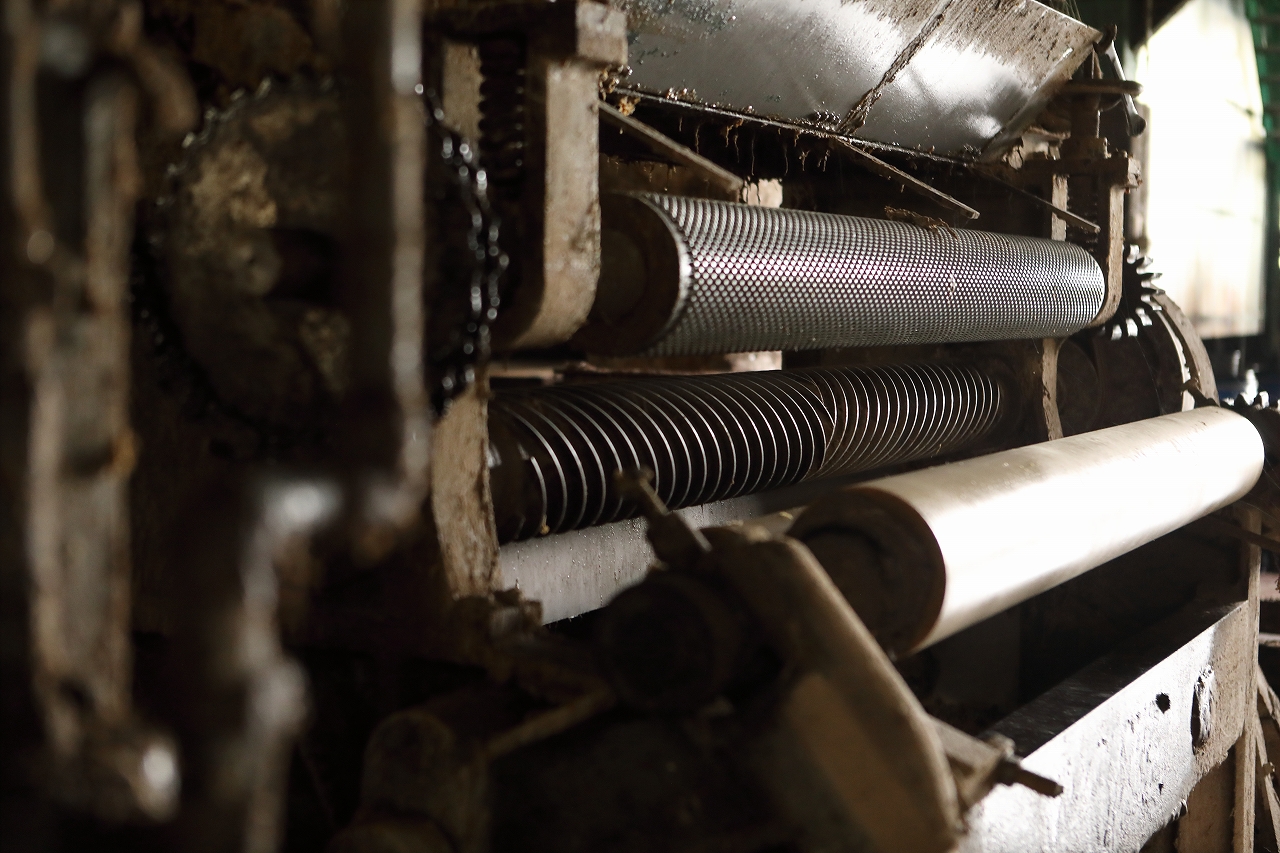

Afterwards, a pickling process is undertaken, where the slightly alkaline hides are soaked in a mixed solution of acid and salt to adjust their pH to a suitable level for tanning.

■STEP.2 "Tanning"
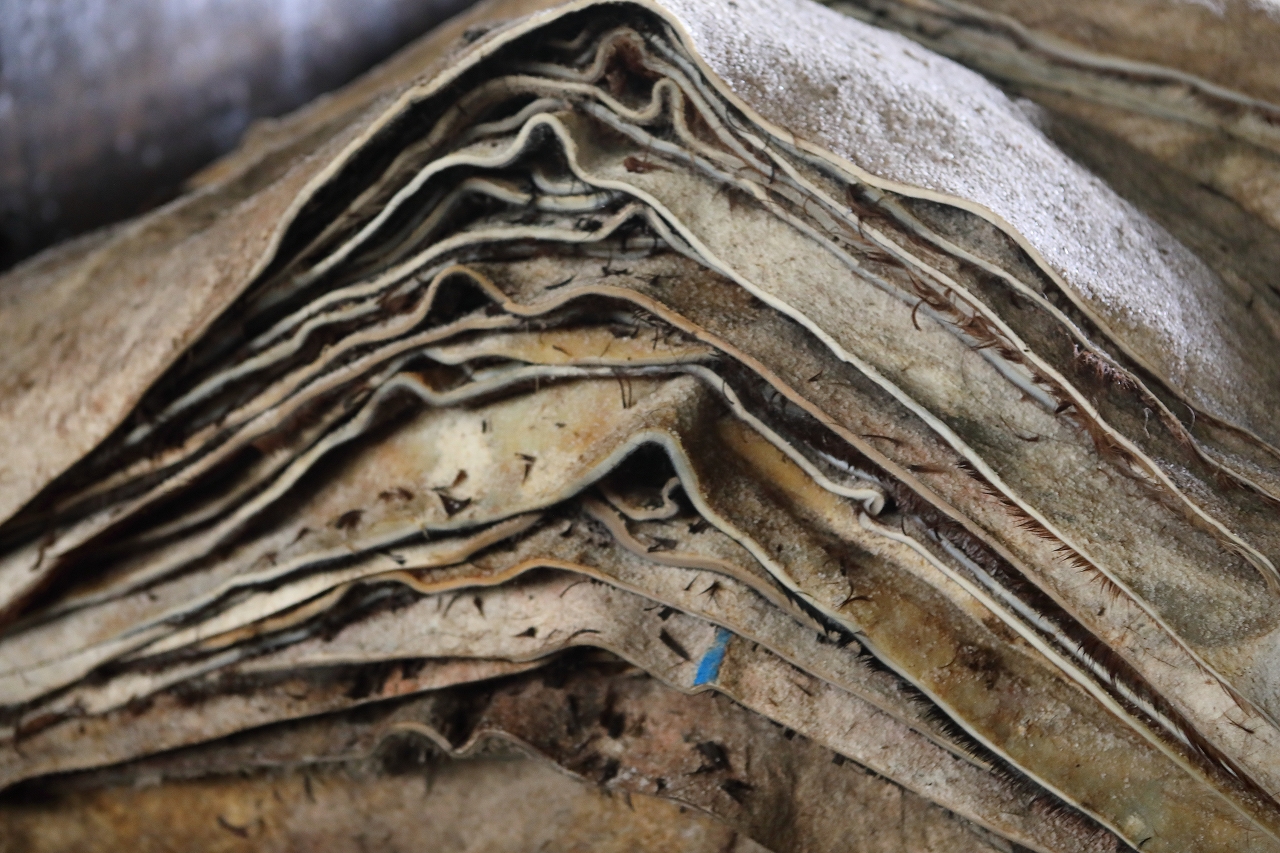
The pickled hides undergo pre-tanning, then their reverse side is shaved to roughly adjust the thickness, and finally, they are placed into the pit tanks.
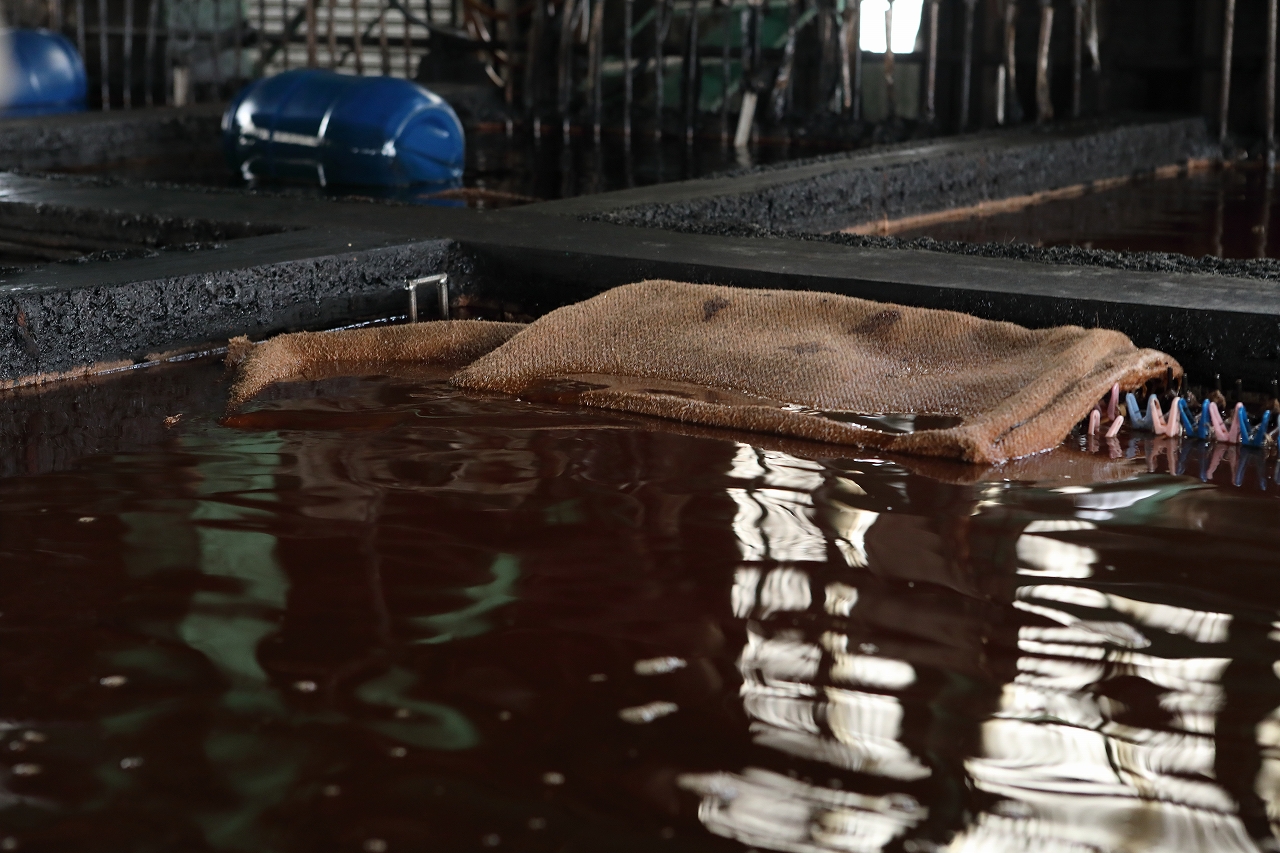
The following photo shows mimosa being placed in bags into the pit tanks. The amount of mimosa differs in each tank, and the hides are soaked sequentially from tanks with lower tannin concentration to those with higher concentration.

■STEP.3 "Drying"
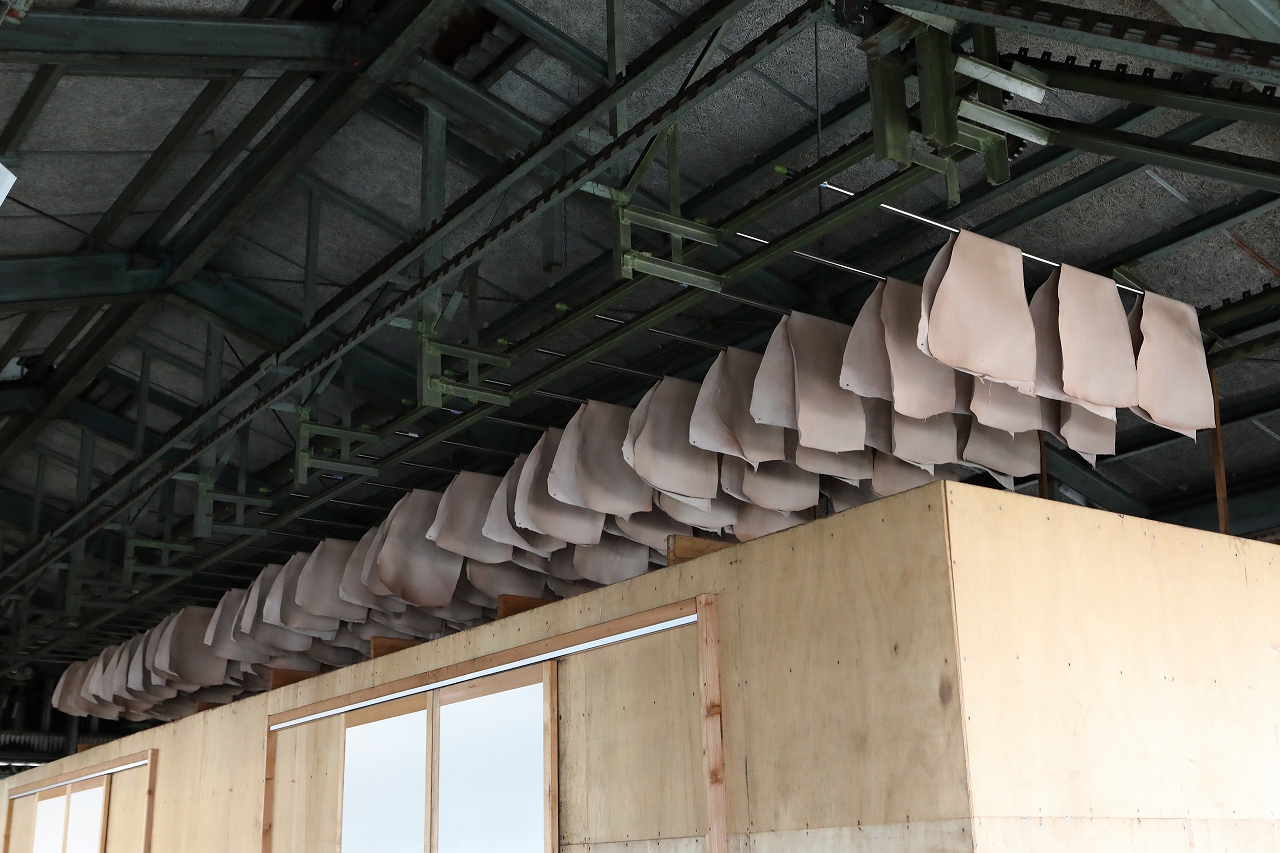
In the case of cordovan, after about a week of drying, the leather is aged for another 4 to 5 months until the tannin has fully permeated the entire hide.

■STEP.4 "Shaving"
After tanning, the horsehide undergoes a shaving process to further adjust the leather's thickness.
The following photo shows cordovan. Can you see the difference in texture between the cordovan layer (top of the photo) and the rest at this stage?
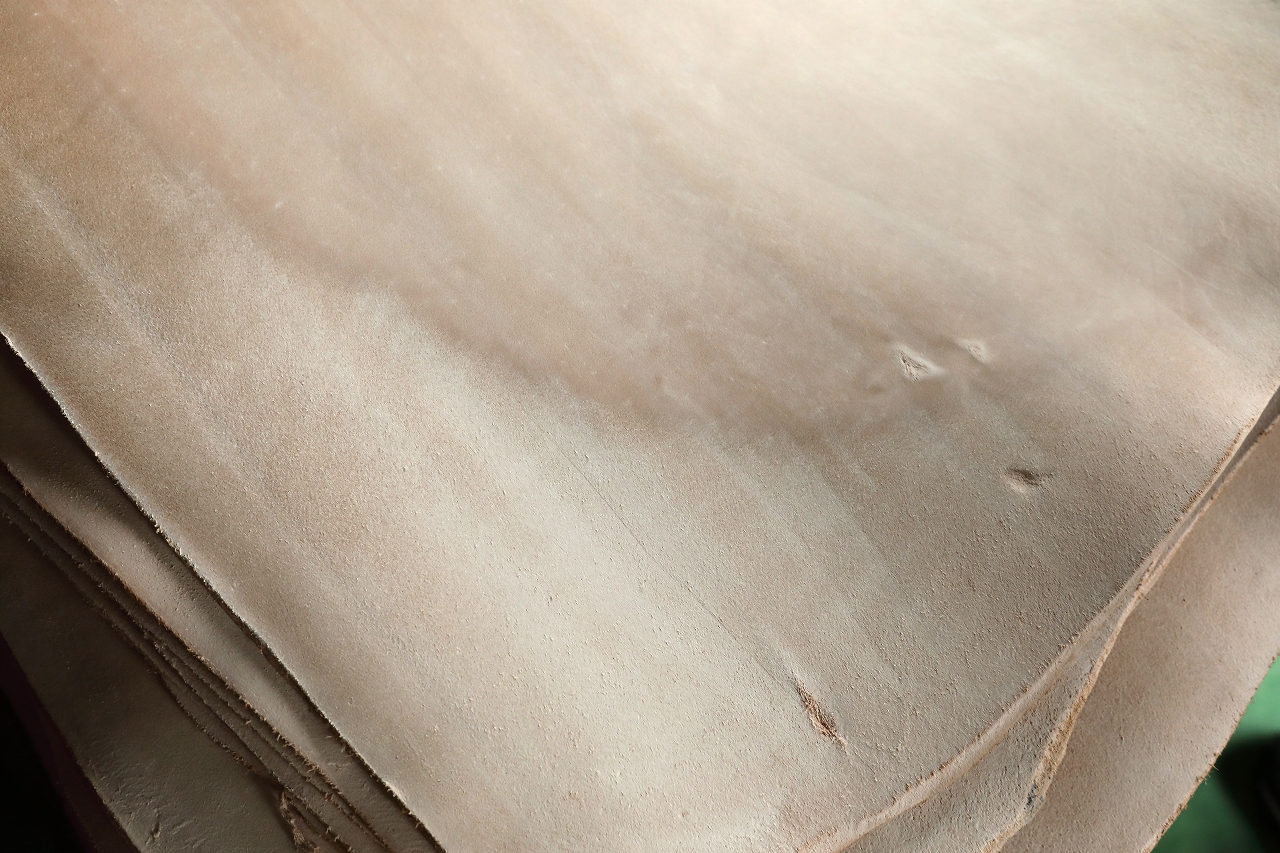

After shaving, the horsehide is lightly oiled, dried, and sorted, then moved to a darkroom for storage as crust to protect it from sunlight.
■STEP.5 "Dyeing"
The leather, along with dyes and oils, is placed in a drum and dyed over the course of a day. The blend of dyes and oils, as well as the duration of drum rotation, reportedly influence the finished leather's texture and color development. Even this seemingly simple drumming process requires skilled expertise.


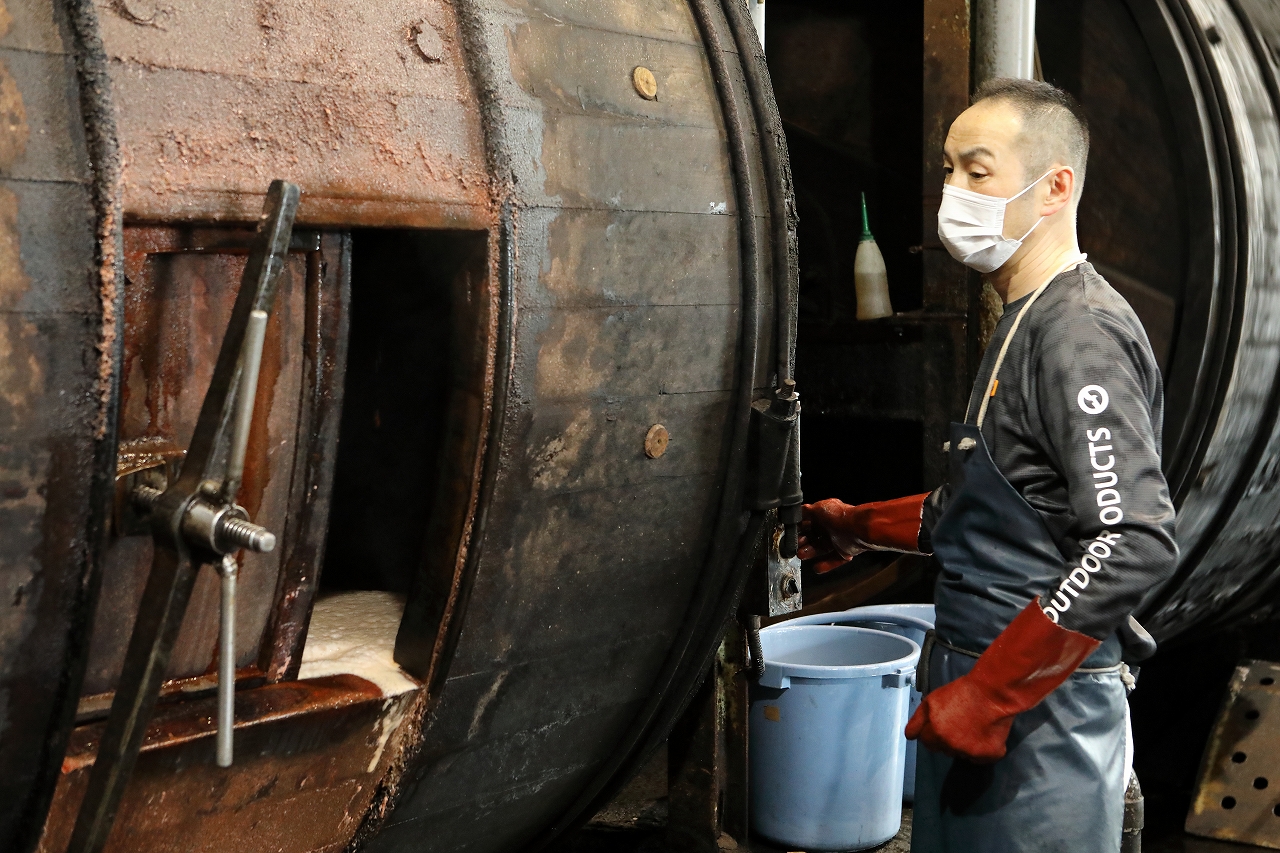
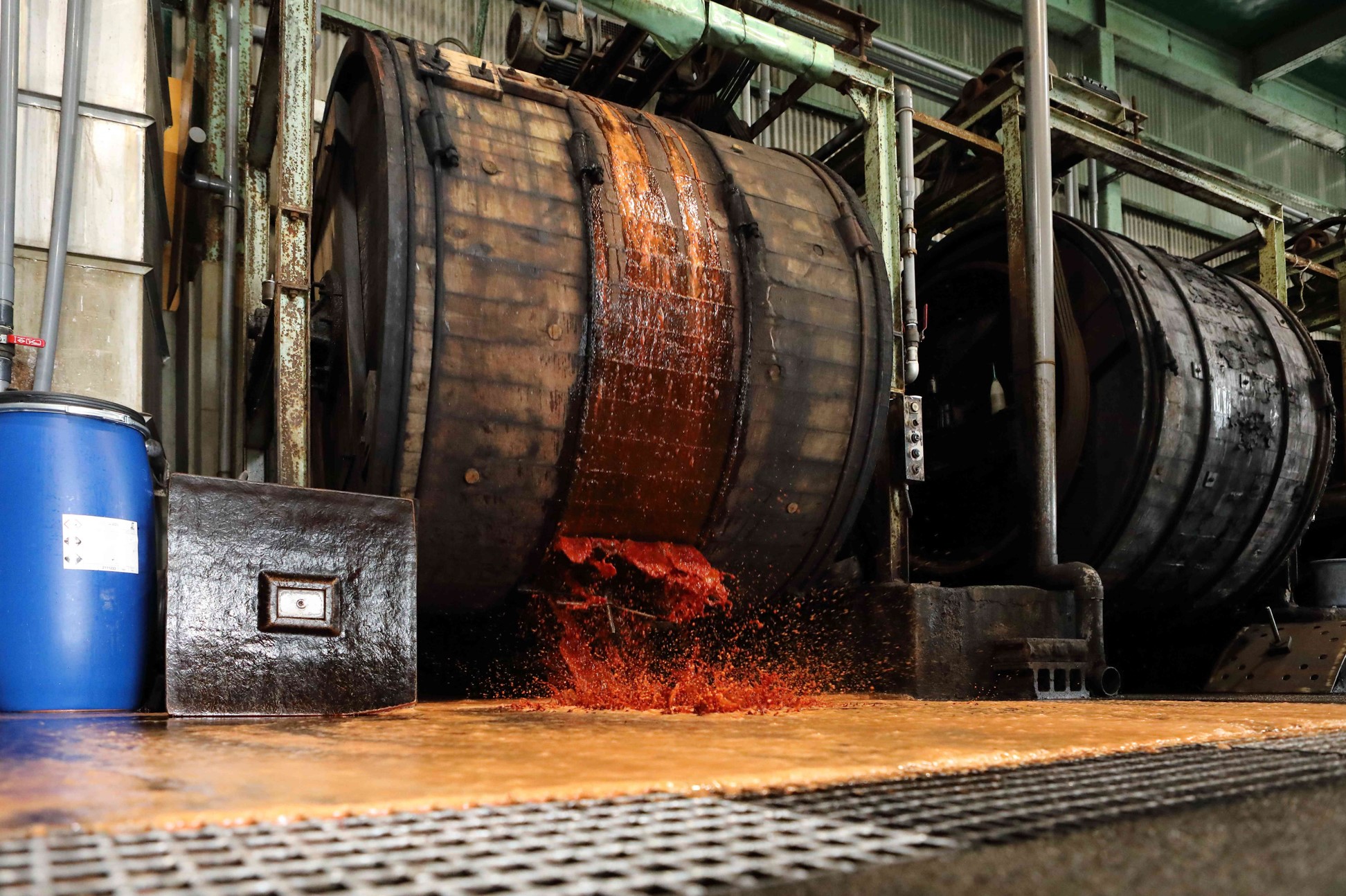
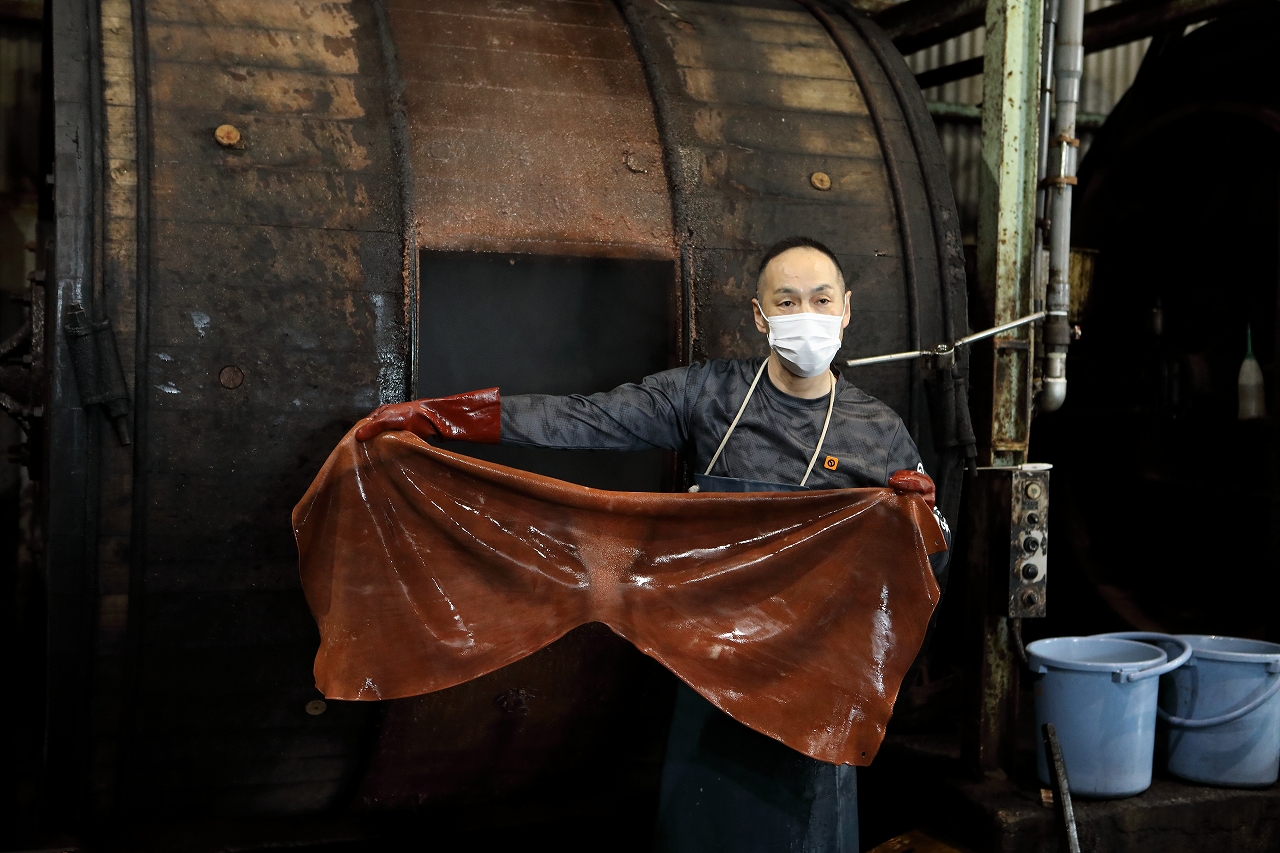
■STEP.6 "Finishing"
After dyeing, the leather moves to the finishing process. For an aniline finish, which dyes the fibers themselves, the leather's character is enhanced. For a pigment (lacquer) finish, although the pigment spray slightly diminishes the leather's natural characteristics, it results in a more scratch-resistant and vibrant finish.
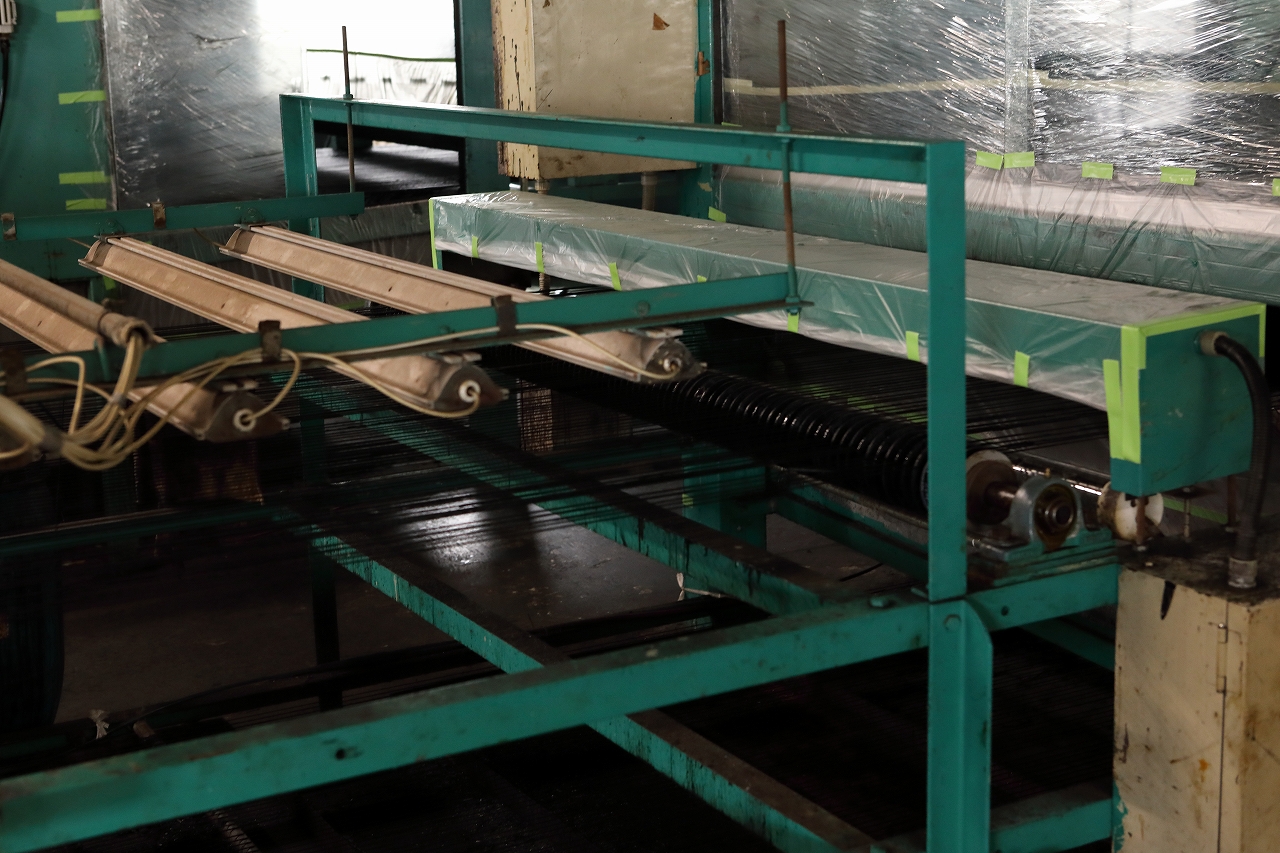

Another important finishing process is glazing. Although the method and degree vary depending on the order, this process adds luster and texture to the leather surface.

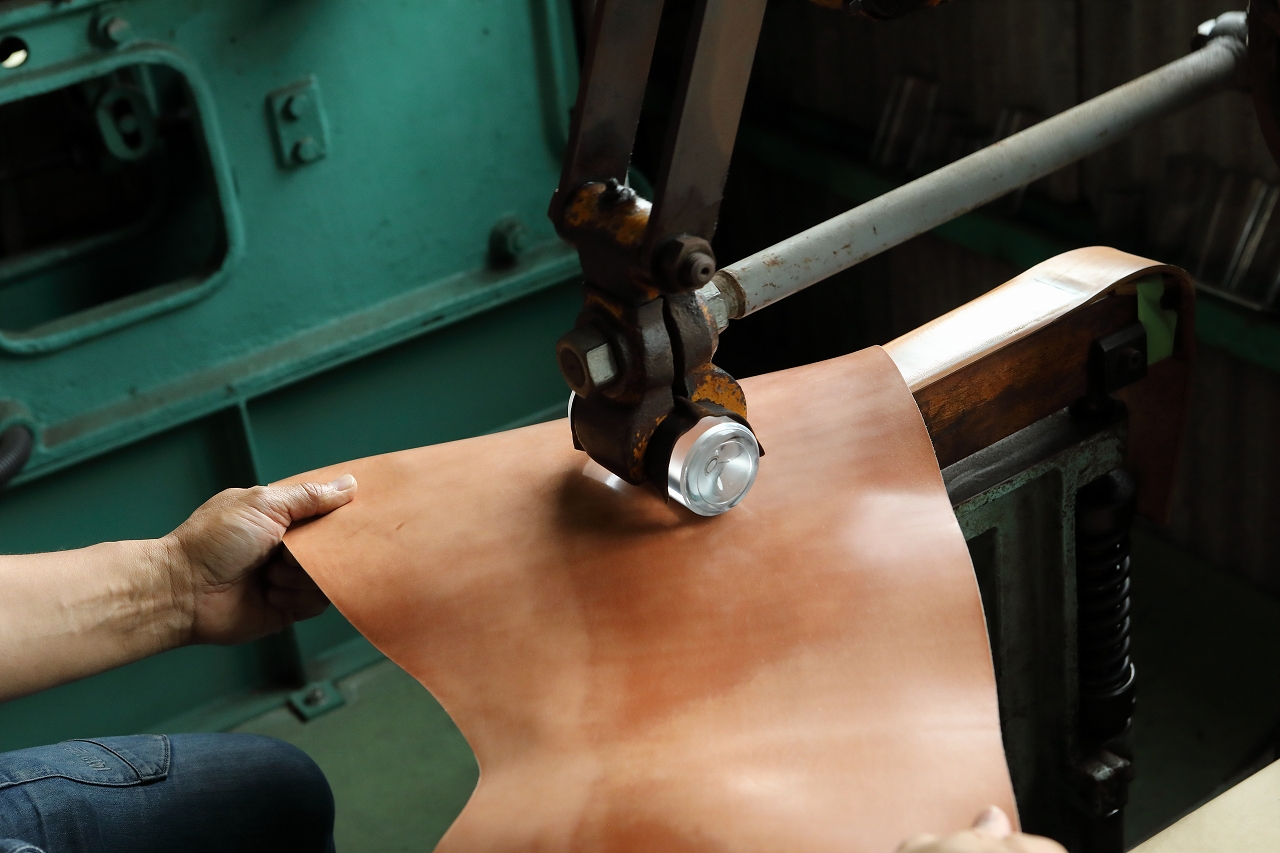
The following photo shows the grain side of the leather being polished with felt.

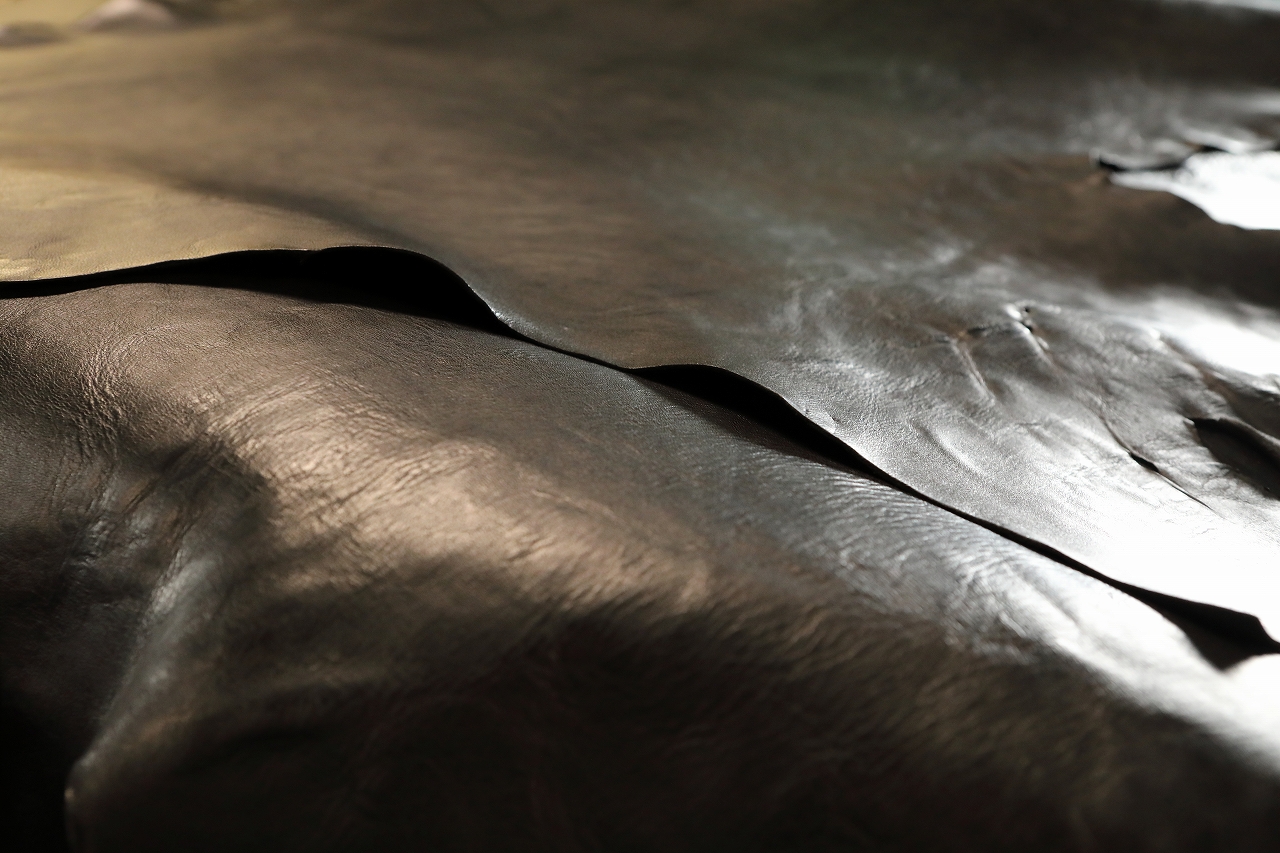
In the case of cordovan, its unique shine is achieved by rubbing the cordovan with a glass ball during glazing.

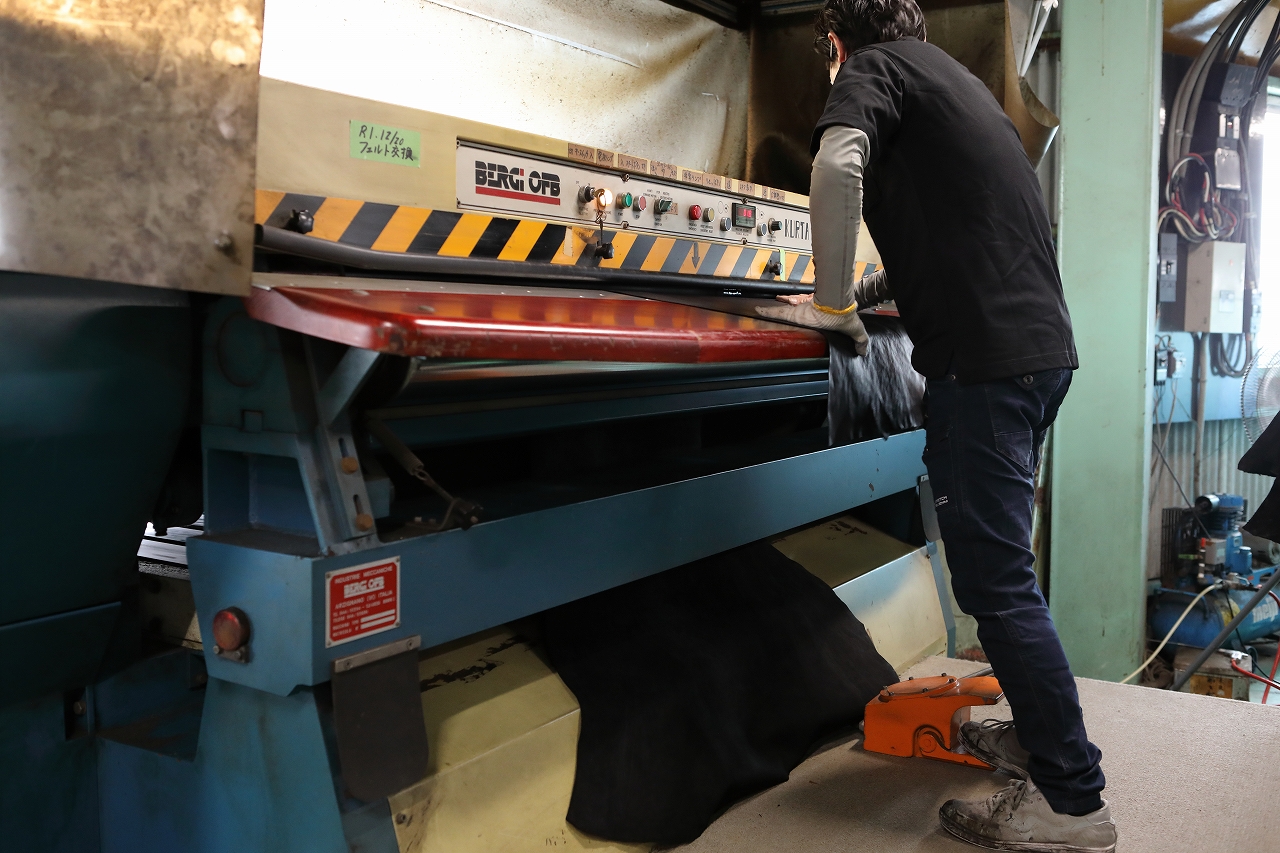
Sometimes, "tumbling" in a drum is used to impart softness. In such cases, depending on the degree, "shibo" (creases/wrinkles) may appear as a side effect.
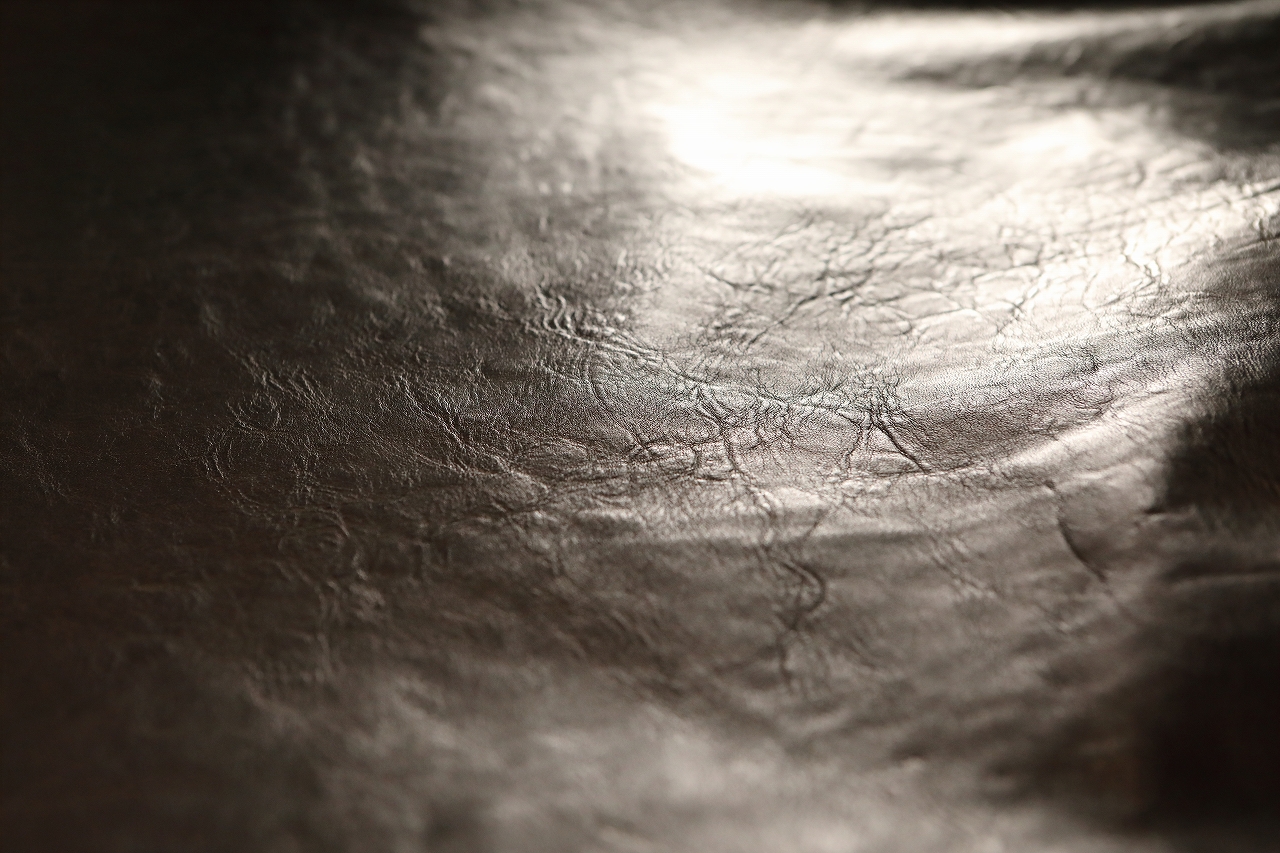

Summary
After completing the interview and observing the leather manufacturing process, it became clear that the mechanism for producing high-quality leather (though the definition varies subtly depending on the industry, preferences, and client) is surprisingly simple. At the same time, I deeply understood how high the time, equipment, and technical costs are to achieve that simple process, and how difficult it is to realize.
Yoshiki Nitta, the third-generation representative of Shinki Hikaku, says:
"Since our founding, we have come this far solely with the desire to 'make good horse leather.' As a result, it is true that we now have more capabilities that are unique to us, but the more we pursue horse leather, the more new things we want to try. I believe we will continue to challenge new things without changing."

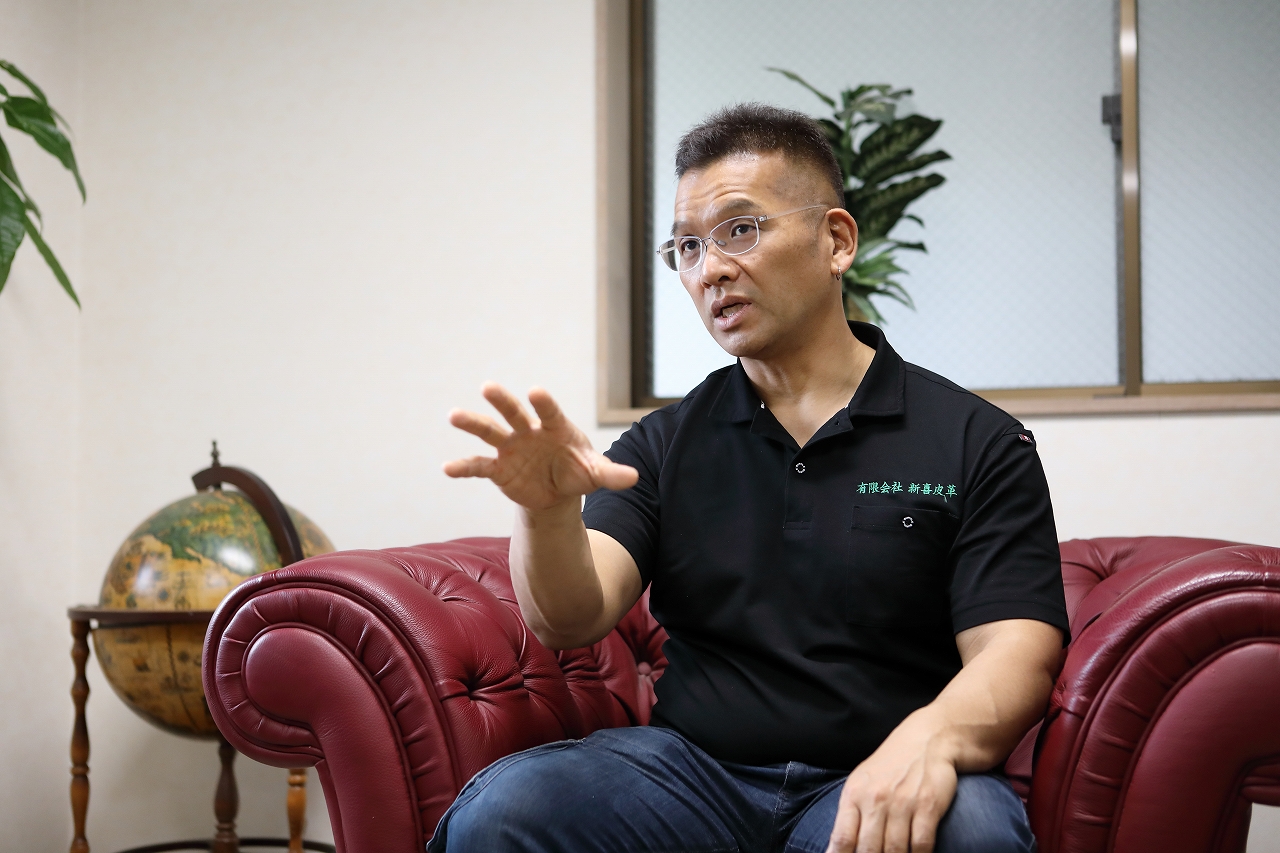
The vision is simple. However, following it is extremely difficult.
This is precisely why JELADO is captivated by them and uses their horse leather.
The first thing that surprises you when you visit the company is the large number of young people who have gathered from all over the country.
It was an interview that taught me the essence that people empathize with and appreciate a superior vision more than a superior business scheme.
Please look forward to the JELADO products using Shinki Hikaku horsehide that will be released in 2022AW.
<Text by Kobo Tagata / Photos by Seiji Sawada>